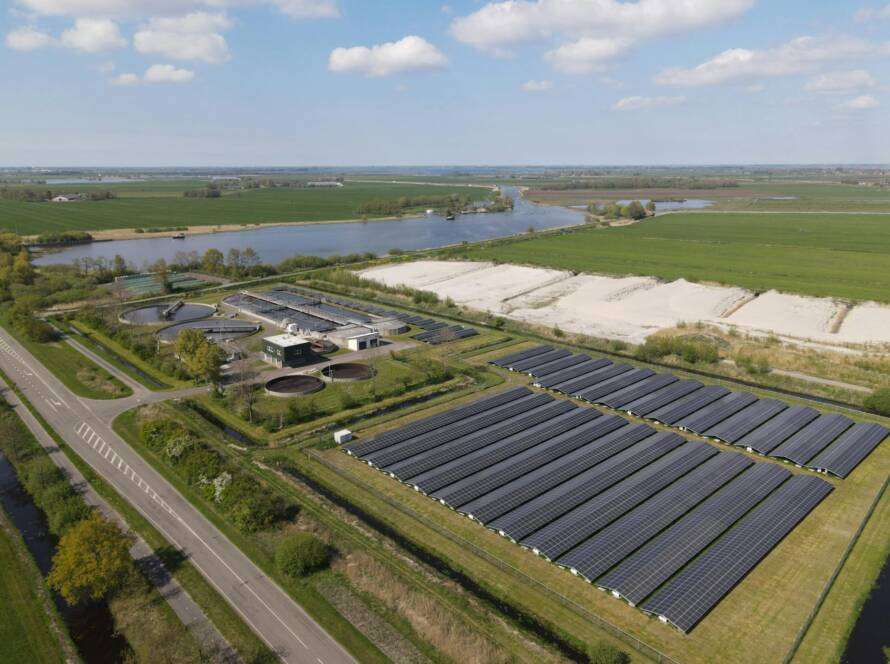
The combination of agriculture and renewable energy might seem unusual at first, but the introduction of Agri-Photovoltaics (Agri-PV) creates an innovative synergy between these two sectors. Agri-PV allows for the parallel use of agricultural land for both energy generation and food production. In this article, we highlight the ten biggest benefits of Agri-PV and demonstrate how this technology can contribute sustainably to the future of agriculture and energy production.
1. Dual Land Use for Maximum Efficiency
A major advantage of Agri-PV is the dual land use. By simultaneously producing food and solar energy, resource efficiency is significantly increased. Photovoltaic modules can be installed over orchards or vegetable fields without affecting plant growth.
According to a study by the Fraunhofer Society, Agri-PV can increase land efficiency by up to 60%.
Fraunhofer Study on Agri-PV Land Efficiency
2. Reduction of Energy Costs for Farmers
Agri-PV provides farmers with the opportunity to significantly reduce their energy costs. Using self-generated solar power for their own needs helps reduce operating costs and minimizes dependency on rising energy prices. Surplus energy can also be fed into the grid, providing an additional source of income.
Tip: Solar power is particularly well-suited for running water pumps or ventilating greenhouses.
3. Reduction of Carbon Footprint
The use of Agri-PV significantly contributes to reducing CO2 emissions. Solar energy replaces fossil fuels, thereby minimizing greenhouse gas emissions and helping farmers meet their sustainability goals.
Fact: An Agri-PV system on one hectare of land can save up to 70 tons of CO2 annually.
4. Improved Protection of Agricultural Crops
The solar modules also offer additional protection for the crops below. They act like a canopy, shielding plants from excessive sunlight, hail, and heavy rain. This is particularly advantageous for sensitive crops like vegetables or fruits, whose quality could be affected by extreme weather conditions.
5. Stable Additional Source of Income
Feeding solar energy into the power grid allows farmers to establish a stable additional source of income. This extra income contributes to the economic stability of the farming operation and helps manage financial risks more effectively.
6. Diversification of Income Sources
In addition to income from agricultural production and energy generation, Agri-PV offers further business opportunities. For example, farmers can use their land for beekeeping or grazing livestock, generating additional revenue streams.
7. Increased Market Flexibility
Agri-PV increases market flexibility by providing income from both agriculture and energy production. This allows farmers to better respond to market changes and diversify income, thus mitigating market risks.
8. Supporting the Energy Transition in Germany
Agri-PV supports Germany’s energy transition by promoting local renewable energy production. Installing solar modules on agricultural land contributes to decentralized energy supply and reduces dependence on fossil fuels.
9. Innovative System Design for Optimizing Energy Yield
Innovative system designs ensure that agricultural use and energy production not only coexist but even benefit each other. For example, special modules can be oriented to provide optimal light transmission for the crops growing underneath.
10. Partnerships for Promoting Sustainable Land Use
Agri-PV fosters new partnerships between energy companies and farmers. Such projects enable sustainable land use that benefits both parties: energy providers gain new areas for solar installations, while farmers receive technological support and additional income opportunities.
Conclusion
Agri-PV represents a true win-win situation for farmers and society. It offers numerous advantages: from increased energy efficiency to protecting agricultural crops and supporting the energy transition. The dual use of agricultural land enables sustainable energy and food production, meeting both growing energy demands and optimizing agricultural yields.
Are you interested in implementing Agri-PV on your land? Contact us today to learn more about the opportunities and how we can support you.
Frequently Asked Questions About Agri-PV
- How much does it cost to install Agri-PV?
The costs vary depending on the area and type of Agri-PV. However, there are numerous funding programs available to reduce the initial investment. - Do solar modules affect plant growth?
The modules are designed to allow sufficient light to pass through to support plant growth. In many cases, the microclimate even improves, leading to higher yields.